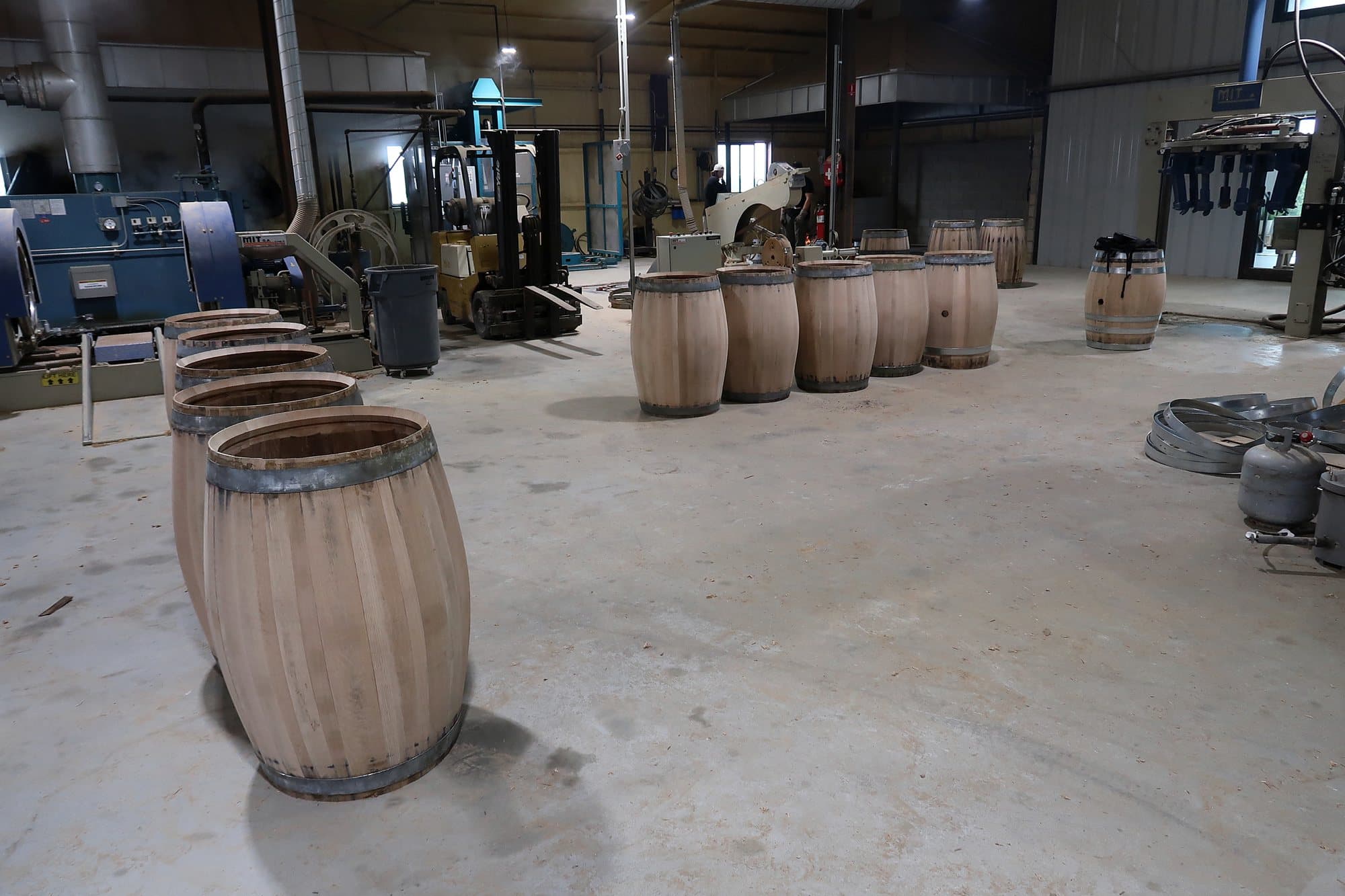
Handcrafted white oak barrels / Blanco, Texas

White oak barrels for wine and spirits.

From white oak selection to toast, char, and aging, every commercial barrel is built around our customers' specifications. Available in 200 L / 53 gal and 225 L / 59.4 gal Bordeaux formats by request for quote.

01 / Barrel Specifications

Built to your specifications.

Choose your barrel size, oak origin, heat treatment, exterior finish, and custom branding. Availability will be confirmed during order specification. The owner reviews each request before pricing or production is confirmed.

01

200 L / 53 gal

Full-size commercial barrel designed for spirit aging programs.

Request for Quote
225 L / 59.4 gal Bordeaux

Bordeaux-shaped barrel for wine and larger spirit-aged programs.

Request for Quote
02
Oak origin
American, Texas, French, or Croatian / Hungarian white oak. Single-origin and custom hybrid barrels are available by request.
03
Heat treatment
Choose toast and char levels, or request cooperage guidance.
04
Intended use
Wine or spirit type and the role the barrel should play
05
Branding
Laser-etched customer logo
06
Shipment requirements
Quantity, destination, and pickup or shipment requirements
07
Exterior finish
Finished sanded for a clean-looking barrel; rough sanded for warehouse use; or unsanded for warehouse use and a rustic look.

02 / Toast Progression

Follow the oak through five levels of toast.

As heat is applied, the wood chemistry changes and sweeter, toasted and roasted characteristics develop. Select a level to explore the aromas observed during the Standard Cooperage toasting process.

Select a toast level to explore its aroma profile.
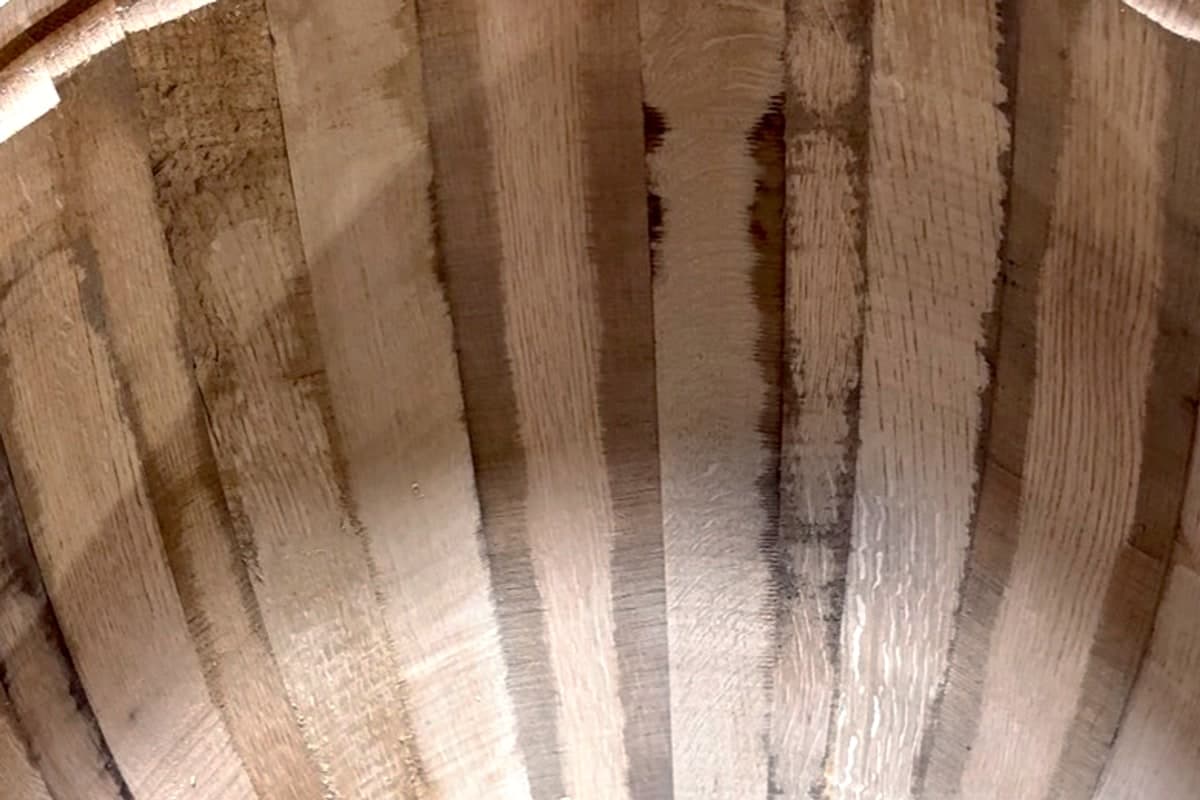
Light Toast oak barrel interior at Standard Cooperage, showing the grain and toast color of the staves
Light Toast / Standard Cooperage

01 / Light Toast

Primary expression

Fresh-Baked Bread

  • Warm wood
  • Fresh-baked bread
  • Light baking spice
  • Subtle coconut
  • Delicate vanilla

The first stage of our toast progression. The oak develops a light golden-brown appearance while the aroma remains fresh, warm and wood-forward. Fresh-baked bread and light baking spice lead, with subtle coconut and delicate vanilla beginning to emerge.

Sensory descriptions represent aromas observed during Standard Cooperage's toasting process. Actual extraction and finished beverage character depend on oak origin, toast time and temperature, char, the liquid being aged, and maturation conditions.

03 / Char Intensity

Move through four levels of char.

Toast establishes the underlying sensory profile. Charring then creates a carbonized surface layer over the toasted oak. During maturation, the spirit interacts with the charred surface and the toasted wood beneath.
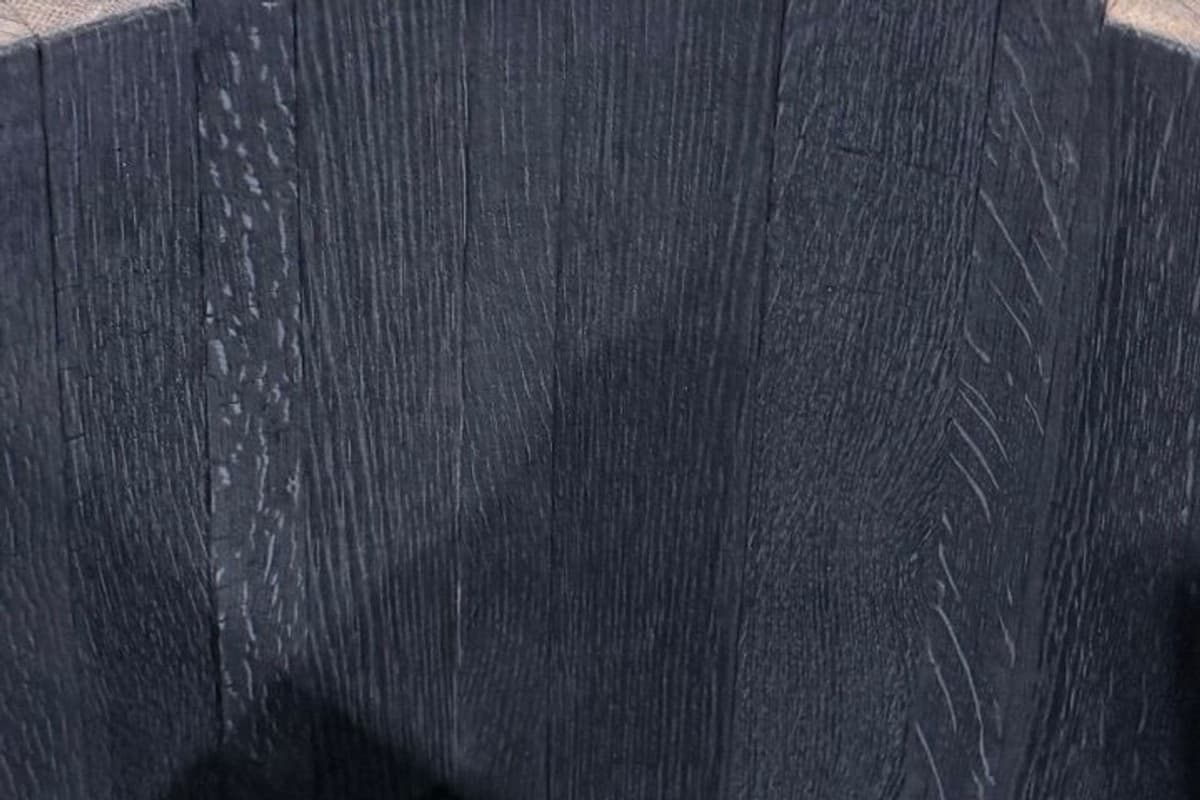
Blackened oak surface with visible wood grain and minimal visible cracking
Blackened wood with a largely smooth surface.

01 / Char 1

Primary expression

Flash Char

  • Smoke
  • Toasted oak
  • Subtle leather-like depth

A quick ignition and extinguish creates a light carbonized surface while keeping the underlying toast profile prominent.

Approx. Standard Cooperage char time: 4–5 sec.

Sensory direction and approximate Standard Cooperage char times are planning references, not flavor guarantees or universal industry specifications. Results vary with oak source, wood lot, seasoning, firing conditions, product matrix, fill strength, aging conditions, and time.

04 / Barrel Anatomy

Explore the Barrel

Construction and heat-treatment details from the Standard Cooperage shop.
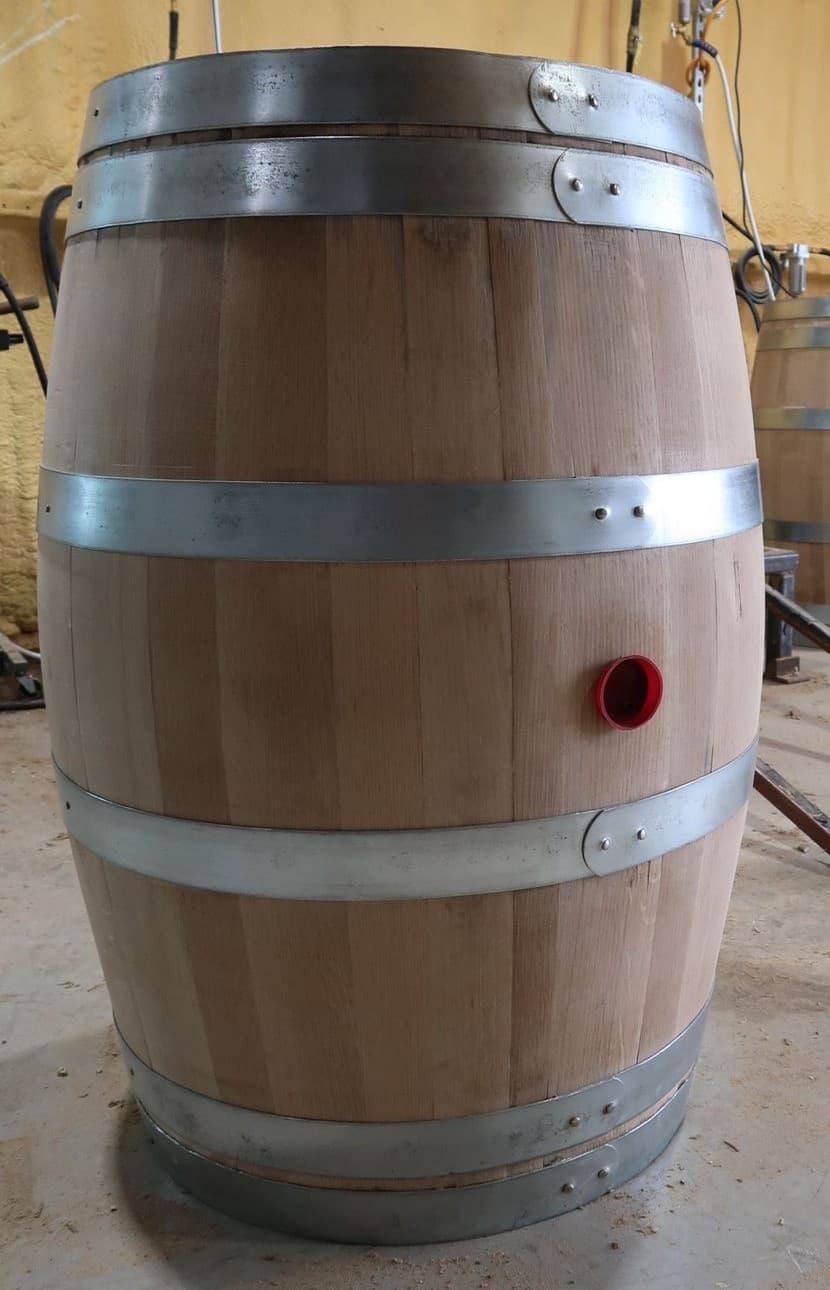
Finished Standard Cooperage white oak barrel with galvanized hoops and a visible red-rimmed bung opening
A finished Standard Cooperage barrel with its bung opening visible beside marker 04.

Craftsmanship Process

How the barrel is built.

Each stage prepares the material for the next. Standard Cooperage uses treated collected rainwater for steaming and oak offcuts from production to fuel cooperage fires.
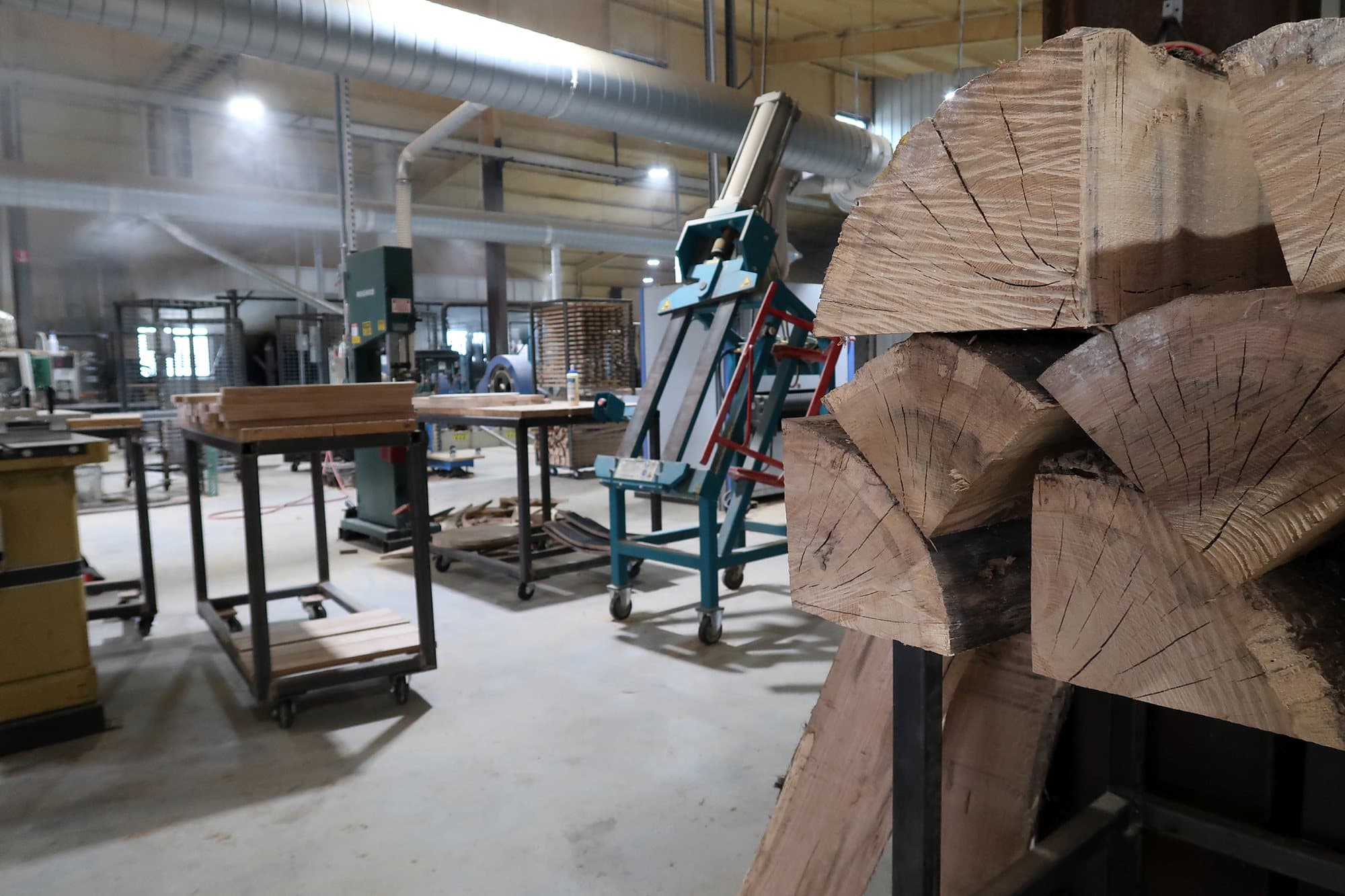
American white oak blocks inside the Standard Cooperage shop

Select

White oak origin, air aging, and flavor profile establish the material selection.

Inspected before it leaves the cooperage.

Leak testing
Barrels are pressure / leak tested before leaving the cooperage.
Hoops, heads and croze
Hoop tension is checked for a tight, secure assembly. Heads and the croze are inspected for chips, cracks, damage and fit issues.
Toast and char
Experienced inspection considers toast color, consistency and aroma, and char surface condition, color, aroma and development for the selected level.
Branding and finish
Custom branding is visually inspected. Standard finished barrels are sanded for presentation; rough, unsanded barrels are also available by request.

05 / White Oak Origins

White oak selected by origin.

Select American, Texas, French, or Croatian / Hungarian white oak. Request a full barrel of one oak origin or a hybrid mixing regions, counties, or oak types for your own aging program. Availability will be confirmed during order specification.

01

American Oak

Potential sourcing includes Missouri, Pennsylvania, Arkansas, North Carolina, Georgia, and other U.S. regions. Availability will be confirmed during order specification.

02

Texas Oak

Specify Texas white oak by available county or geographic origin, on its own or in a custom blend. Not every Standard Cooperage barrel is made from Texas-grown oak.

03

French Oak

Request a full French oak barrel or a French-Texas hybrid. Combine oak origins to create a barrel tailored to your wine or spirit, subject to available wood and production fit.

04

Croatian / Hungarian Oak

Croatian or Hungarian white oak may be specified when available. Origin is considered with seasoning, heat treatment, and the producer's aging plan.

06 / Origin & Sensory Research

How oak origin can influence flavor

Research on American white oak suggests geographic origin can influence extractable chemistry and sensory expression. Origin remains one planning variable alongside wood lot, seasoning, toast, char, product matrix, and aging conditions.

  • American white oak research informs this section.The supplied ASEV presentation does not establish claims for French, Croatian, Hungarian, or all white oak.
  • Origin can support a more deliberate conversation.It should be considered with seasoning, toast, char, the wine or spirit matrix, and aging conditions.
  • Results are not guaranteed by geography.Wood lot, production choices, concentration, time, and barrel-scale conditions remain material variables.
Sensory separation by oak origin

Each dot is an oak-origin sample, not a flavor or a quality score. Nearby dots have more similar sensory profiles in this two-dimensional view; dots farther apart are more different. Texas labels retain the research sample codes.

Sensory PCA of American white oak by originDots represent oak-origin samples. Arrows show the direction associated with each sensory attribute in the supplied research.JC Texas at F1 -4.14, F2 -1.92; MC Texas at F1 -3.54, F2 0.8; NC Texas at F1 0.49, F2 4.4; CC Texas at F1 2.19, F2 1.63; North Carolina at F1 -0.14, F2 -1.16; Arkansas at F1 1.6, F2 -0.97; Georgia at F1 3.47, F2 -2.78.Vegetal flavorVanilla flavorVanilla aromaCoconut aromaCoconut flavorNutty flavorAstringencyBaking spice flavorToasty flavorBitternessSmoky flavorToasty aroma-4-3-2-101234-3-2-1012345Sensory dimension 1 (24.7%)Sensory dimension 2 (26.0%)JC Texas — F1 -4.14, F2 -1.92JC TexasMC Texas — F1 -3.54, F2 0.8MC TexasNC Texas — F1 0.49, F2 4.4NC TexasCC Texas — F1 2.19, F2 1.63CC TexasNorth Carolina — F1 -0.14, F2 -1.16North CarolinaArkansas — F1 1.6, F2 -0.97ArkansasGeorgia — F1 3.47, F2 -2.78Georgia
  • Texas sources
  • Other U.S. sources

Reading the flavor directions

Upper left: vegetal flavor. Upper right: vanilla flavor, vanilla aroma, and coconut aroma.

Right: coconut flavor. Lower right: nutty, baking spice, toasty, and smoky flavors, plus astringency and bitterness. Lower left: toasty aroma.

The arrows show associations with those sensory attributes in the study, not guaranteed tasting notes for a barrel. A point near the top is not simply "more flavor."

The axes, called F1 and F2 in the research, summarize combinations of sensory ratings, not individual flavors. Together they represent 50.7% of the variation in this analysis; the chart does not show the entire sensory profile.
Redrawn from ASEV American white oak presentation material supplied by Standard Cooperage; research context only, not a flavor guarantee.
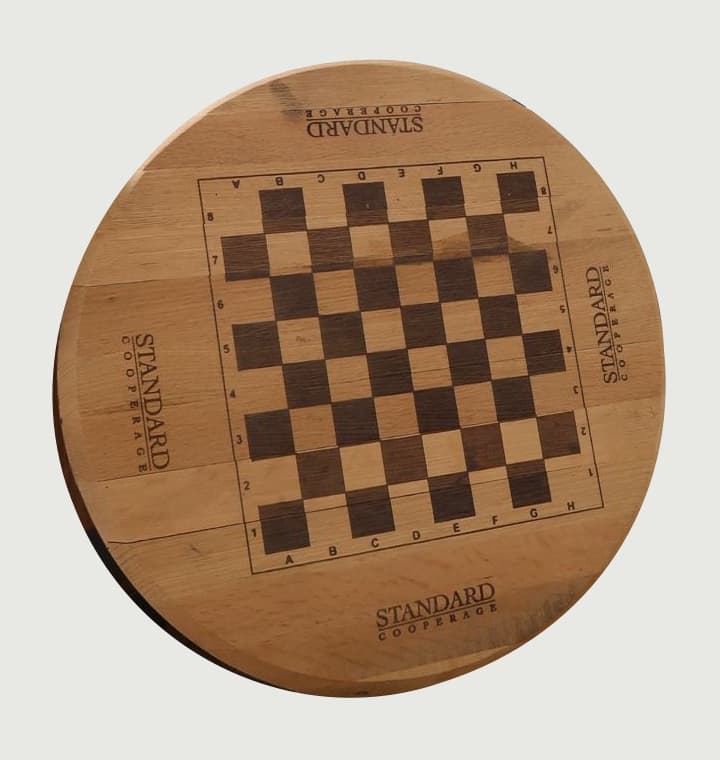
Custom laser-printed oak barrel head made by Standard Cooperage

07 / Custom Branding

Add your custom logo.

Finish your barrel with an approved custom laser-etched logo or design. Share branding requirements during the RFQ so placement and production fit can be reviewed.

Custom branding alone generally does not materially extend the normal production time.

Current production availability

Current production lead times vary based on specifications, quantity and the existing production schedule. Contact Standard Cooperage for current availability.

Include your target quantity and timing in the request below.

08 / Request a Barrel Quote

Commercial beverage-use barrels are available in 200 L / 53 gal and 225 L / 59.4 gal Bordeaux formats and are request-for-quote. Share the liquid, quantity, oak origin or hybrid blend, heat treatment, exterior finish, shipment, and branding requirements. Standard Cooperage's owner reviews every request before pricing or production is confirmed.

Loading security check…

Call 512-826-1836 or Email info@standardcooperage.com for help.

We use the details you provide to respond to your inquiry and coordinate your request. Our website, email and spam-protection providers help us process submissions. Please avoid including payment card details or other sensitive information. Read our Privacy Notice or contact info@standardcooperage.com with questions.